PatientChina provides information and patient assistance coordination. We are not a hospital and do not provide diagnosis, treatment or emergency care. Licensed doctors make medical decisions. Individual results do not predict another patient’s outcome.
01 / Hospital introduction
Hospital introduction
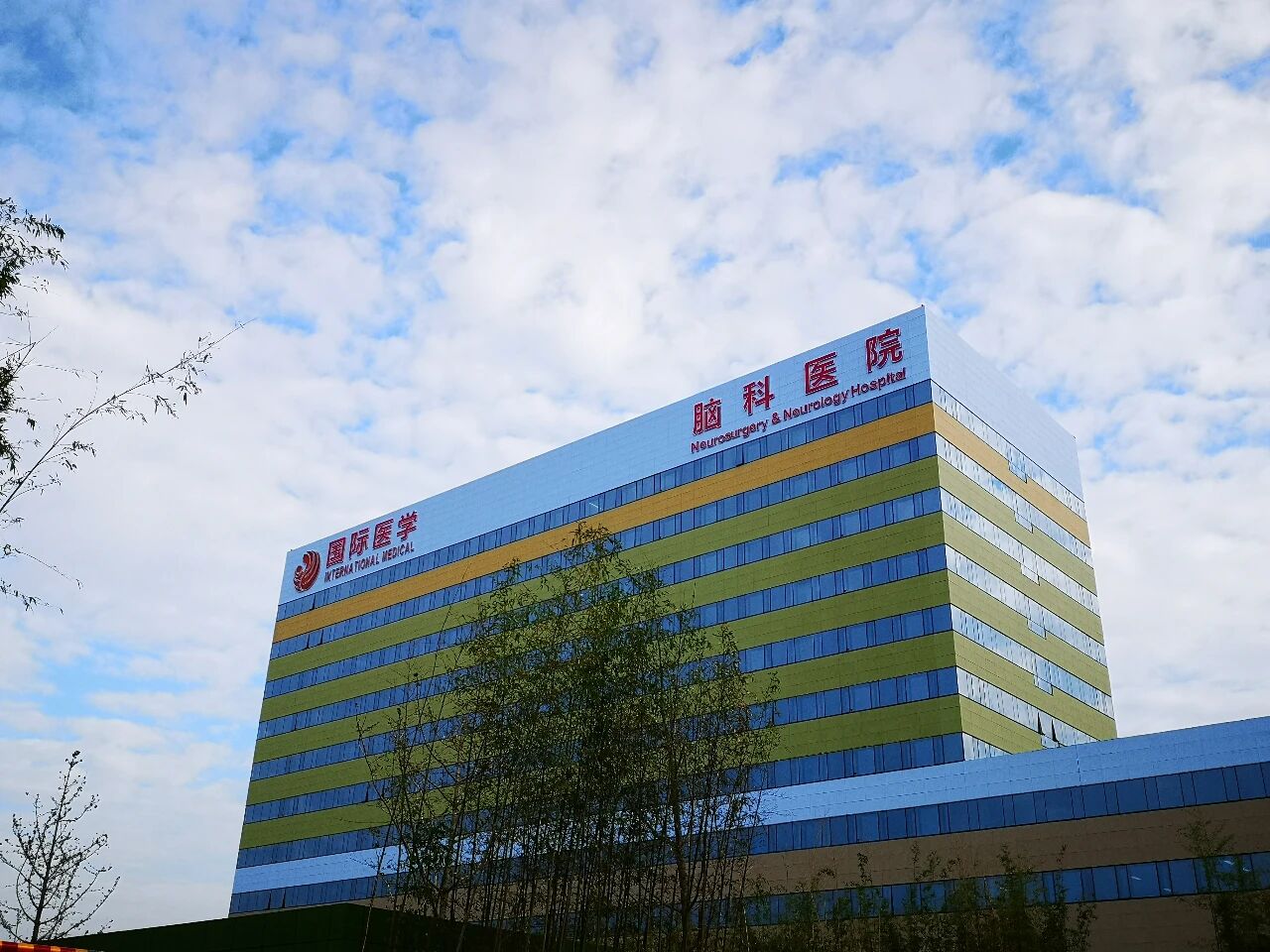
Xi’an International Medical Center Hospital 西安国际医学中心医院
Our first feature introduces Xi’an International Medical Center Hospital and its Neurosurgery & Neurology Hospital. Acceptance of a specific case, appointments, costs and language support must be confirmed by the hospital.
Video supplied from the hospital’s official WeChat account / Channels. Loads only when you press play.
Inside the Neurosurgery & Neurology Hospital
The hospital describes care across specialties including cardiac, neurological, digestive and cancer services, supported by imaging, pathology and anaesthesia. Its brain hospital includes neurosurgery and neurology. Rehabilitation focuses on function and daily activities after illness or injury.
Neurosurgery: assessment and planning
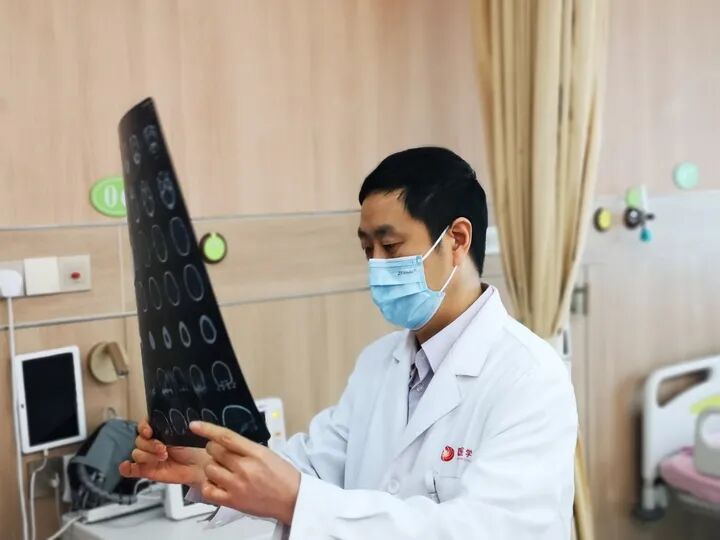
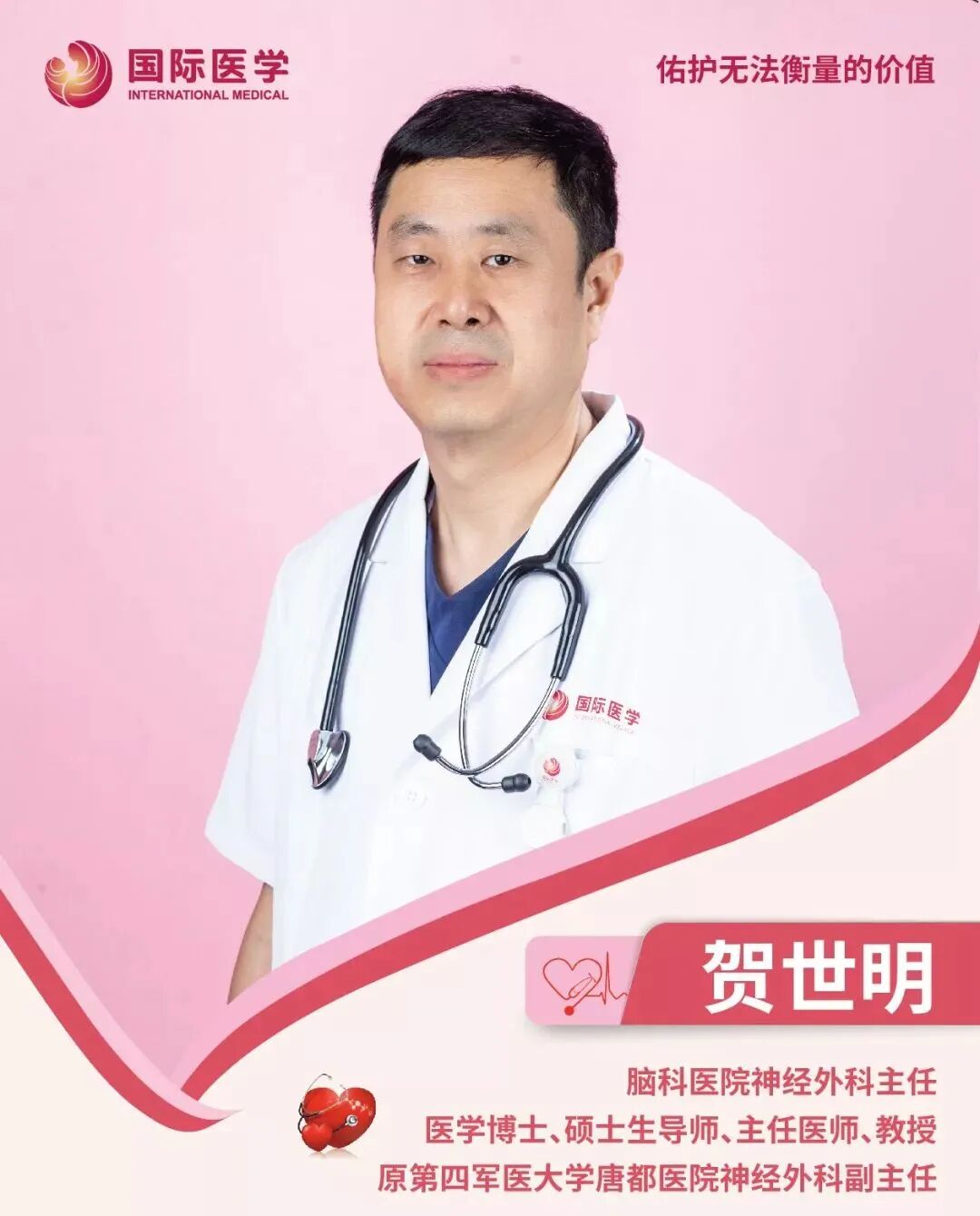
Supplied hospital materials describe brain tumours, vascular conditions, brain haemorrhage, hydrocephalus, spinal conditions, functional disorders and drug-resistant epilepsy. They mention endoscopic and microscopic surgery, navigation and neurocritical care. Dr He Shiming’s published interests include skull-base and spinal surgery. Any operation requires individual assessment of imaging, previous treatment and risks.
Neurology: a range of conditions
Published hospital information lists cerebrovascular disease, epilepsy, Parkinson’s disease and other movement disorders, neurological infections and immune conditions, peripheral nerve and muscle disorders, and cognitive and sleep disorders. Symptoms alone do not establish a diagnosis or determine treatment.
Investigations and surgical support
Materials mention MRI, vascular imaging, video EEG, electromyography and nerve-conduction studies, alongside navigation, microscopes and endoscopes. These tools answer different clinical questions; not everyone needs every test. Availability, indications and costs require confirmation with the hospital.
Rehabilitation: movement and daily life
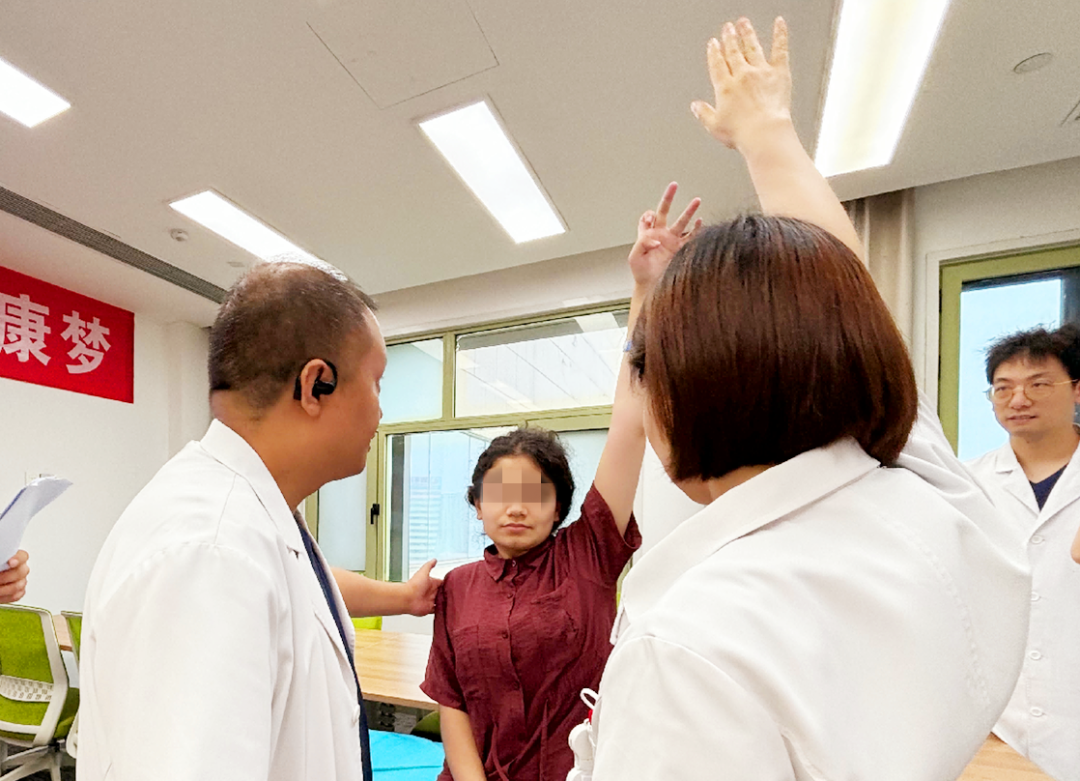
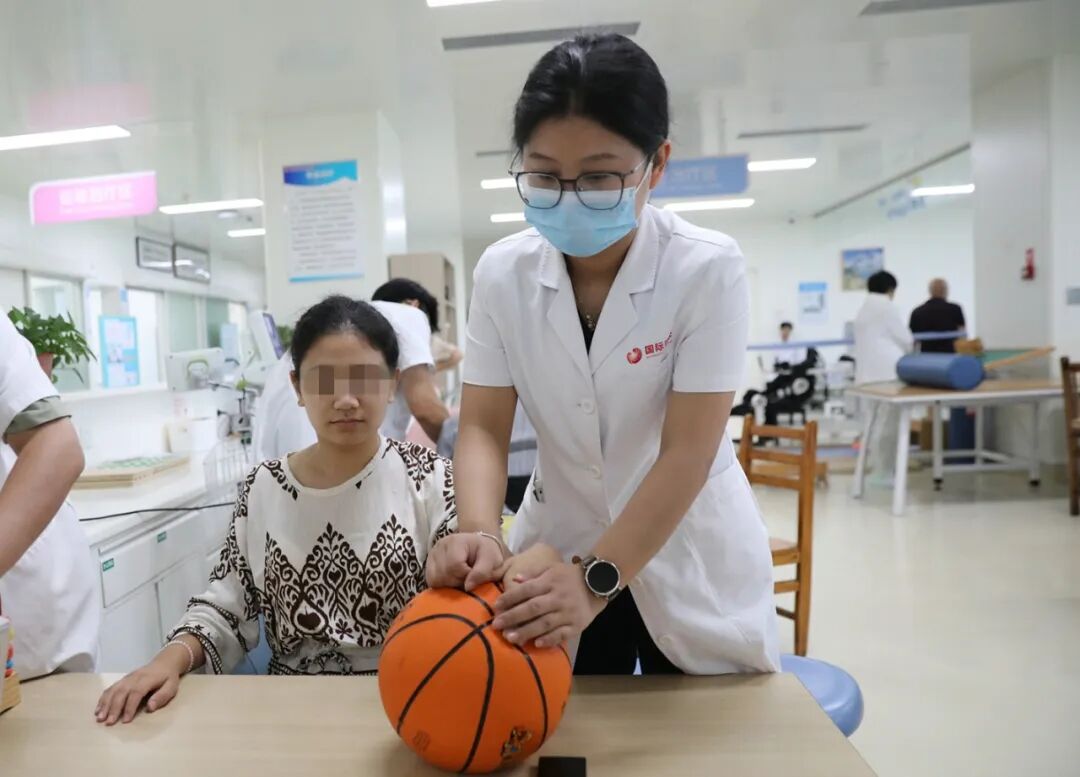
The supplied case describes team assessment, physical therapy, occupational therapy and gait training, with other approaches selected for the patient. Assessment considers movement, balance, self-care and family support. Continued training and local follow-up may be needed after discharge. A case report is not an individual rehabilitation plan.
The hospital’s 2022 publication describes He Shiming as a senior physician whose work includes neurosurgery and surgery for skull-base and spinal conditions. Confirm his current role, availability and any individual treatment plan with the hospital.
A 2022 hospital report describes He Shiming’s emphasis on reviewing clinical practice and improving communication, including reassessing diagnoses, evaluating treatment and improving surgical and service processes. The hospital still needs to review each patient’s records to confirm appropriate appointment arrangements.
Tell us your country, preferred language, reason for seeking care and planned dates. Share medical summaries, imaging reports and previous treatment information only after confirming the recipient and purpose. Confirm the hospital assessment and costs before arranging travel.
Discuss your needs: share the purpose of your visit, your country, preferred language and intended dates.
Hospital review: confirm the recipient before preparing requested medical records, imaging and treatment history. The hospital decides whether it can accept the case.
Confirm arrangements: before travelling, confirm hospital charges, the scope and fees of coordination services, interpretation and travel arrangements separately.
Language and communication
Website languages are for reading and do not imply that all languages are available for in-person interpreting. Medical translations have not undergone professional native-language review. Confirm clinical communication with the hospital and a qualified interpreter.
04 / Rehabilitation case
From Uzbekistan to Xi’an: rehabilitation after a traumatic brain injury
Two years of daily difficulties
According to the hospital account, the patient sustained a severe brain injury in a road accident, with intracranial bleeding, subdural haematomas and skull fractures. Emergency surgery saved her life, but left-sided weakness persisted. After about two months of local rehabilitation she could stand and walk. Two years later, abnormal muscle tone, inward foot positioning, toe gripping, difficult steps and limited fine hand movement still affected dressing, washing and stairs.
Travelling to Xi’an
Her father learned on social media that specialists from Xi’an International Medical Center Hospital had visited Uzbekistan. The family decided to seek care in Xi’an. The account says she entered Neurorehabilitation Department 7 in early August; the year is unspecified. Li Baofu’s team used translation software and respected the family’s cultural practices. This does not establish routine interpreting availability in every language.
Assessment and a staged plan
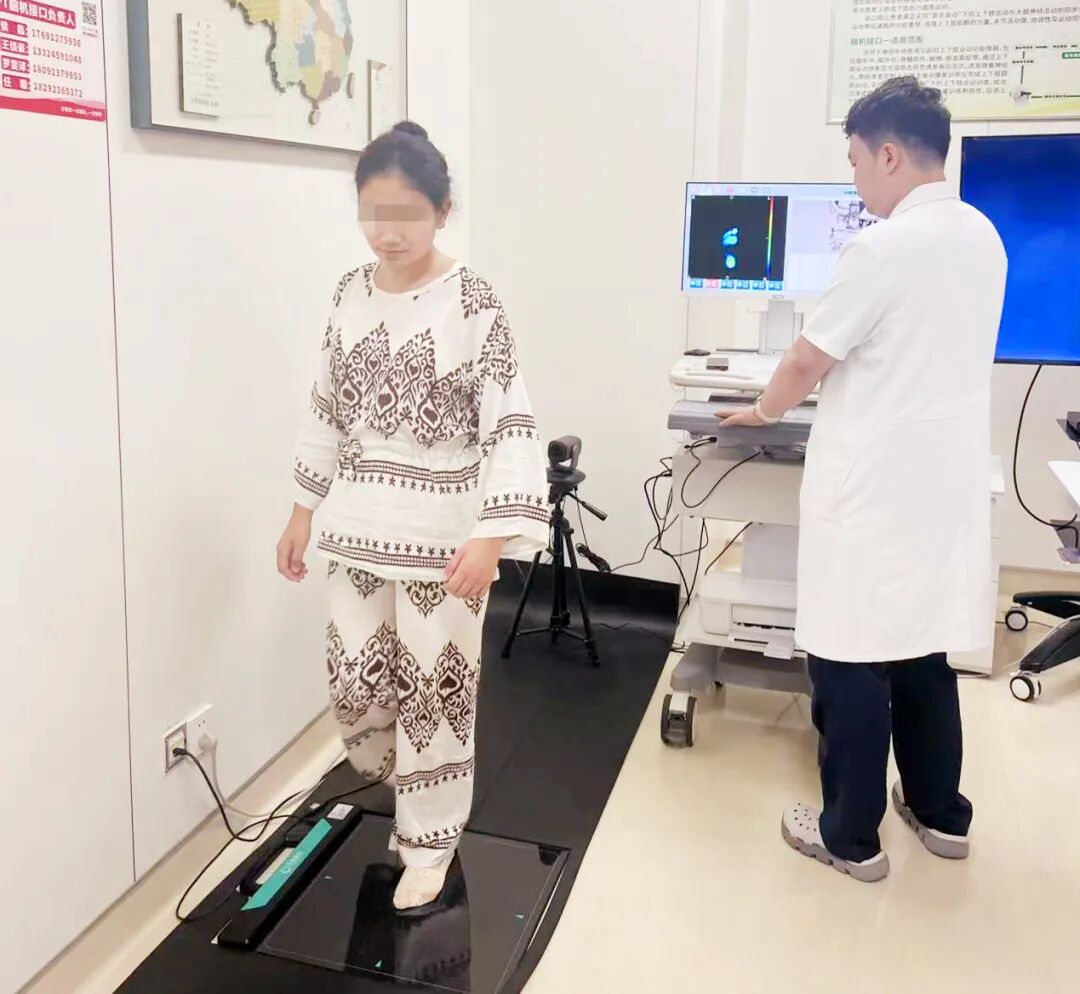
He Shiming, Li Baofu and the team assessed movement, daily activities, psychological wellbeing and family support. Findings included incomplete left hemiparesis, focal increased upper-limb tone, moderate-to-severe lower-limb spasticity, abnormal muscle coordination and poor balance on challenging surfaces. A two-week initial goal focused on reducing tone and improving joint movement. Local botulinum toxin injections were a backup if progress was insufficient; the account does not say they were given.
Sources · WeChat
Rehabilitation activities
The reported programme combined physiotherapy (PT), occupational therapy (OT) and hydrotherapy with transcranial magnetic stimulation, deep muscle stimulation (DMS), shockwave therapy, ultrasound, hyperbaric oxygen, acupuncture and indirect moxibustion. Therapists guided movement and gait, used orthoses and repeatedly reassessed muscle tone. The patient participated actively with family support. This individual programme is not suitable for every patient with a brain injury.
Sources · WeChat
Changes reported after more than 20 days
The hospital reported better left-limb movement, less stiffness, improved gait and balance, and recovery of much independence in eating and dressing. Left-limb muscle strength was recorded as approaching grade 5, with reduced tone in most muscles. The patient described firmer heel contact and a straighter posture. These are reported individual outcomes, not predictions of another patient’s recovery or treatment duration.
Sources · WeChat
Continuing rehabilitation at home
At discharge, the team advised continued exercises, regular local follow-up and adjustment of the programme, with contact if questions arose. The family expressed thanks. Rehabilitation was ongoing. Text and photographs were supplied from hospital WeChat accounts and Channels; the original publication link and date have not been provided.
Hospital information is based on public hospital materials. The hospital materials and photos shown here were supplied by the site owner from the hospital’s WeChat Channels and official account. Attribution does not imply hospital authorization or endorsement.
Hospital information is based on public hospital materials. The hospital materials and photos shown here were supplied by the site owner from the hospital’s WeChat Channels and official account. Attribution does not imply hospital authorization or endorsement.